The Art of Seeing: How to Look at a Fine Art Portrait
In a world saturated with fleeting images, truly seeing a work of art is a rare and powerful skill. To stand before a fine art portrait and understand its depth, story, and the mastery behind its creation is to elevate yourself from a simple viewer to a true connoisseur.
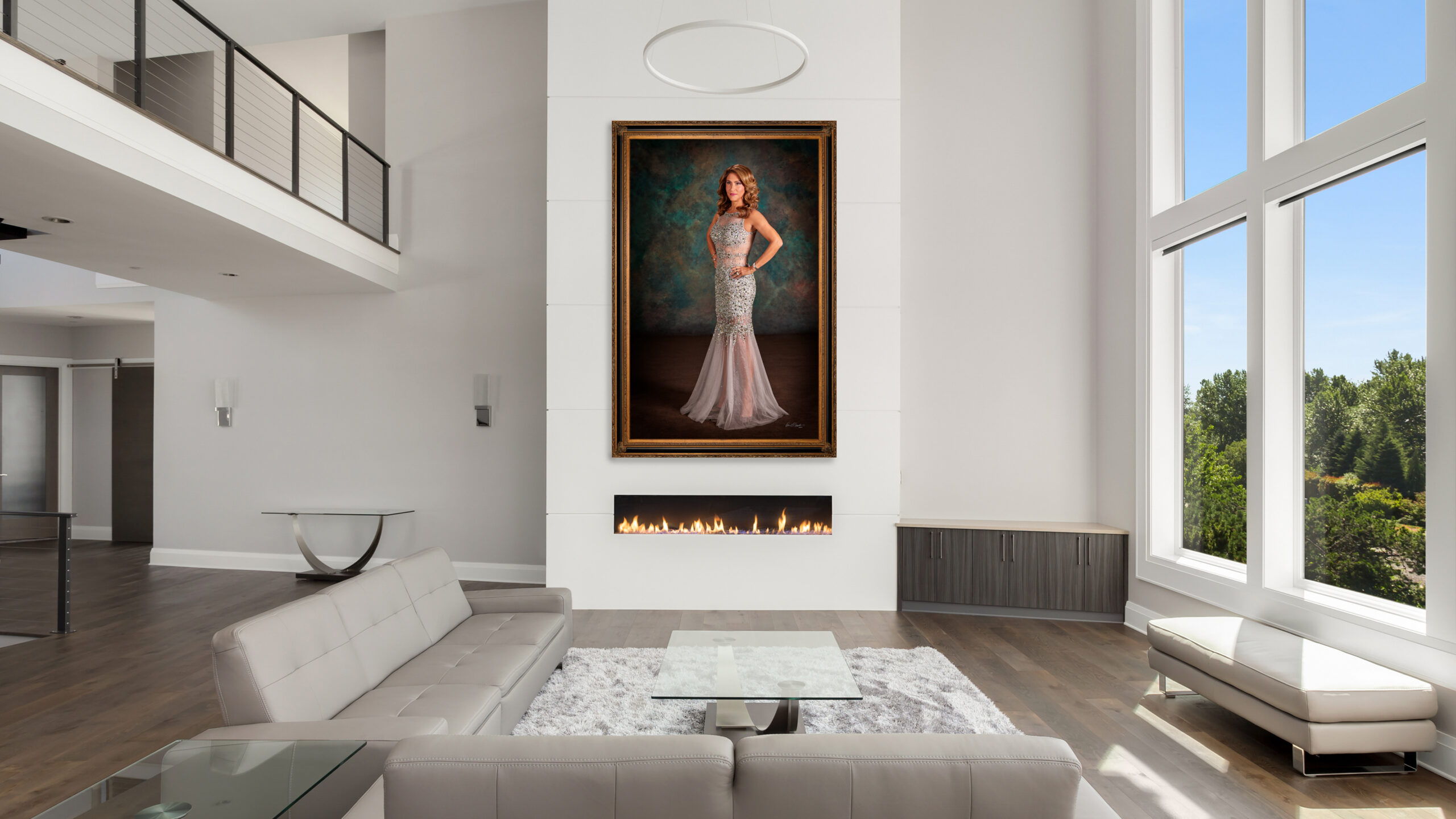
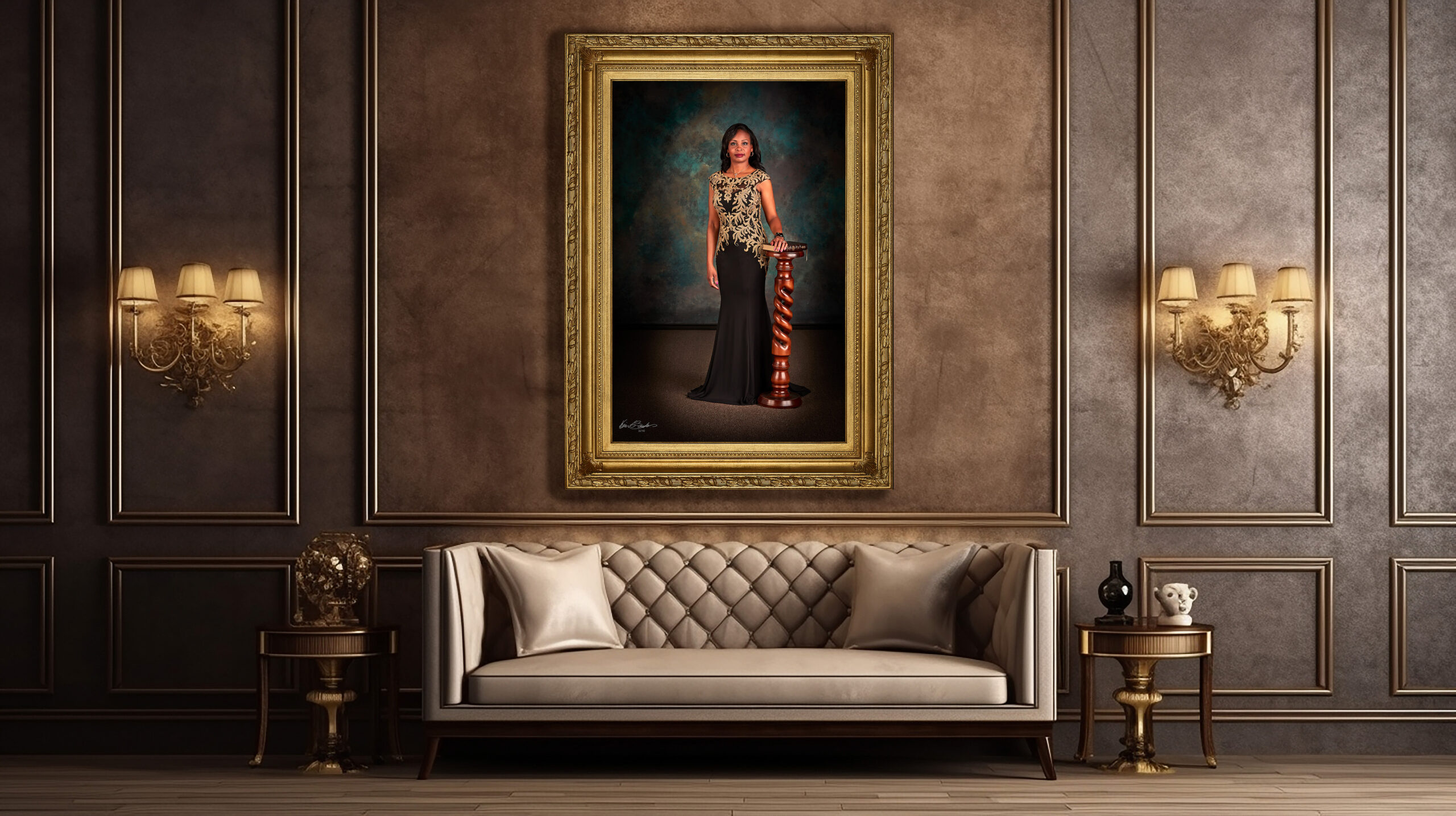
But where does one begin? How do you look beyond the surface likeness and appreciate the deeper soul of the work? The secret is not having a formal art history degree but learning to ask the right questions. We will use the magnificent portrait of Dr. Ivy R. Taylor, former President of Huston-Tillotson University and former Mayor of San Antonio, as our guide.
First, Look Beyond Likeness to Character
The first question is not “Does it look like her?” but rather, “What does this portrait reveal about her?” A passport photo provides a likeness; a masterpiece reveals character.
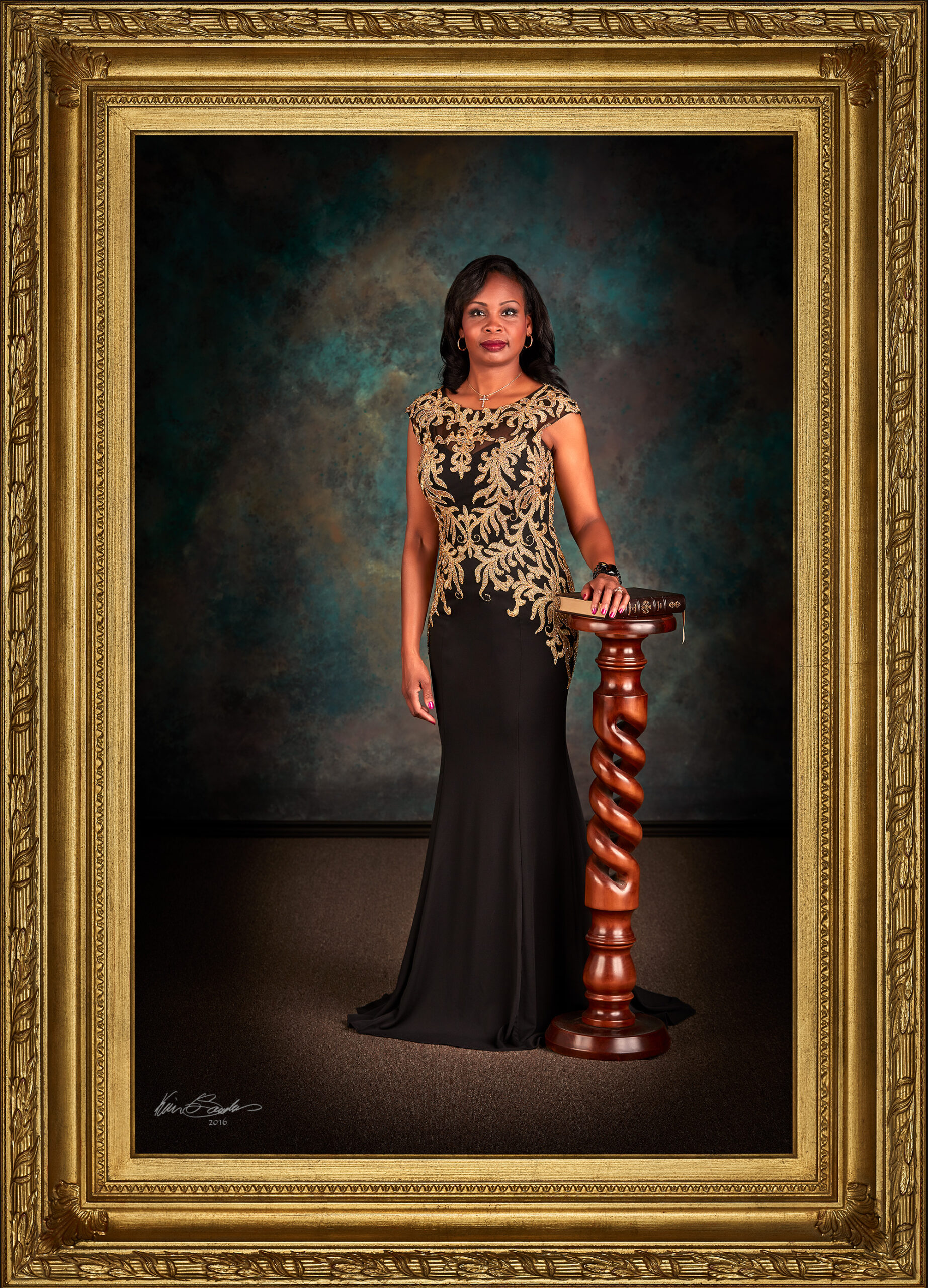
In Dr. Taylor’s portrait, look closely at her expression. It is not a simple smile, but an embodiment of quiet confidence, profound wisdom, and approachable authority. A master artist uses every element of the pose—the posture, the hands, the gaze—to tell the story of the subject’s inner world.

Next, Follow the Light
The second question is “Where is the light coming from, and what is it doing?” Light is the artist’s most powerful tool. It sculpts, it conceals, and it directs your attention.
Notice the interplay of light and shadow, a technique the Old Masters called Chiaroscuro. In Dr. Taylor’s portrait, see how the light masterfully illuminates the intricate gold embroidery of her gown, giving it texture and dimension. It is dramatic and directional, carving her form from the darkness to create a feeling of strength and importance. Following the light is like reading a map of the artist’s intentions.
Finally, Discover the Story in the Details
The final question is, “What do the details tell me?” Every choice in a fine art portrait is deliberate.
In this piece, the hands resting gently upon a book on a pedestal are not an accident. They are a carefully chosen detail, a clue that speaks to a life of scholarship, leadership, and wisdom. The texture of a fabric, the inclusion of a subtle piece of jewelry, and the specific background color are elements that add layers of meaning and contribute to the overall narrative of the person being portrayed.

By learning to ask these questions, you empower yourself. You begin to participate in the artwork, to understand its language, and to appreciate the profound difference between a simple picture and a timeless masterpiece. This is the Art of Seeing, the first step to becoming a true collector.
We invite you to explore our Fine Art Portrait Portfolio to see how these principles come to life.